Thermal insulation is the prevention of heat from moving between objects, or reducing the transfer of heat; and the transfer of heat from one object to another natural process as it moves from the hottest surfaces to the hottest surfaces when in direct contact between them, and the only way to stop the transfer of heat between them is through isolation Thermal insulation refers to the use of insulators that limit the heat exchange between two different surfaces in the heat.It is designed to preserve the heat inside homes, which are cold in winter, and limit the entry of heat into homes in the summer, when the temperature is high.
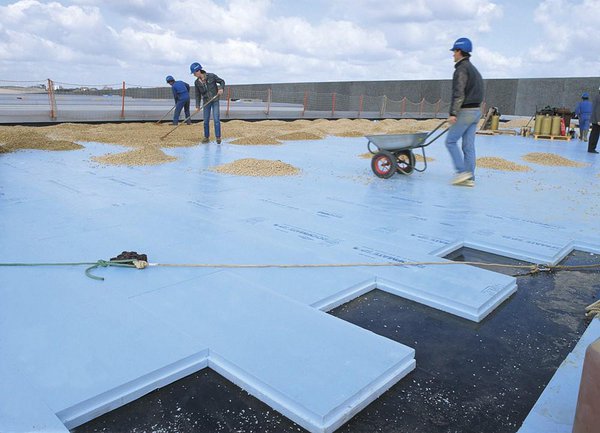
Thermal insulation is carried out using special materials that work to reflect thermal radiation from objects, rather than absorbed, and be used by placing them between the two surfaces or the two contacting objects, as this process has many of the characteristics that we will know you in this article, in addition to mention Some examples of heat insulating materials are the correct bases for their selection.
شركة عزل الاسطح والخزانات بجدةMaterials used in thermal insulation
There are many materials used in the process of heat insulation, which may come from several sources, including:
Thermal insulation from animal sources such as wool or hair.
Thermal insulation from plant sources such as cotton.
Glass insulators such as felt, which is one of the most used materials in thermal insulators around the world.
Industrial insulators such as rubber and foam liquid, either in the form of spray or in the form of slabs.
Liquid insulators.
شركة كشف تسربات المياهFoundations for the selection of insulating materials
It should be noted that the choice of heat insulation materials depends on many factors and measures, including:
That does not affect the human and his health.
Ability to resist water vapor absorption, to prevent mold formation or parasite aggregation.
Resistance to stress due to large temperature differences.
High resistance to chemical reactions.
Fire resistance, especially in places subject to fire such as restaurants, laboratories, etc.
The ability to prevent the spread of bacteria.
Be solid and resistant to breakage.
Ability to resist water penetration.
Be of fixed dimensions, non-stretching.
Have good mechanical properties.
Insulation materials should have low thermal conductivity.
Features of the use of thermal insulation
Maintain appropriate temperature in buildings.
Reduce electricity consumption.
Reduce financial costs when dispensing air conditioners such as fans.
Reduce the burden on power plants.